
The Pause That Moves You Forward
November 16, 2025
Reflect
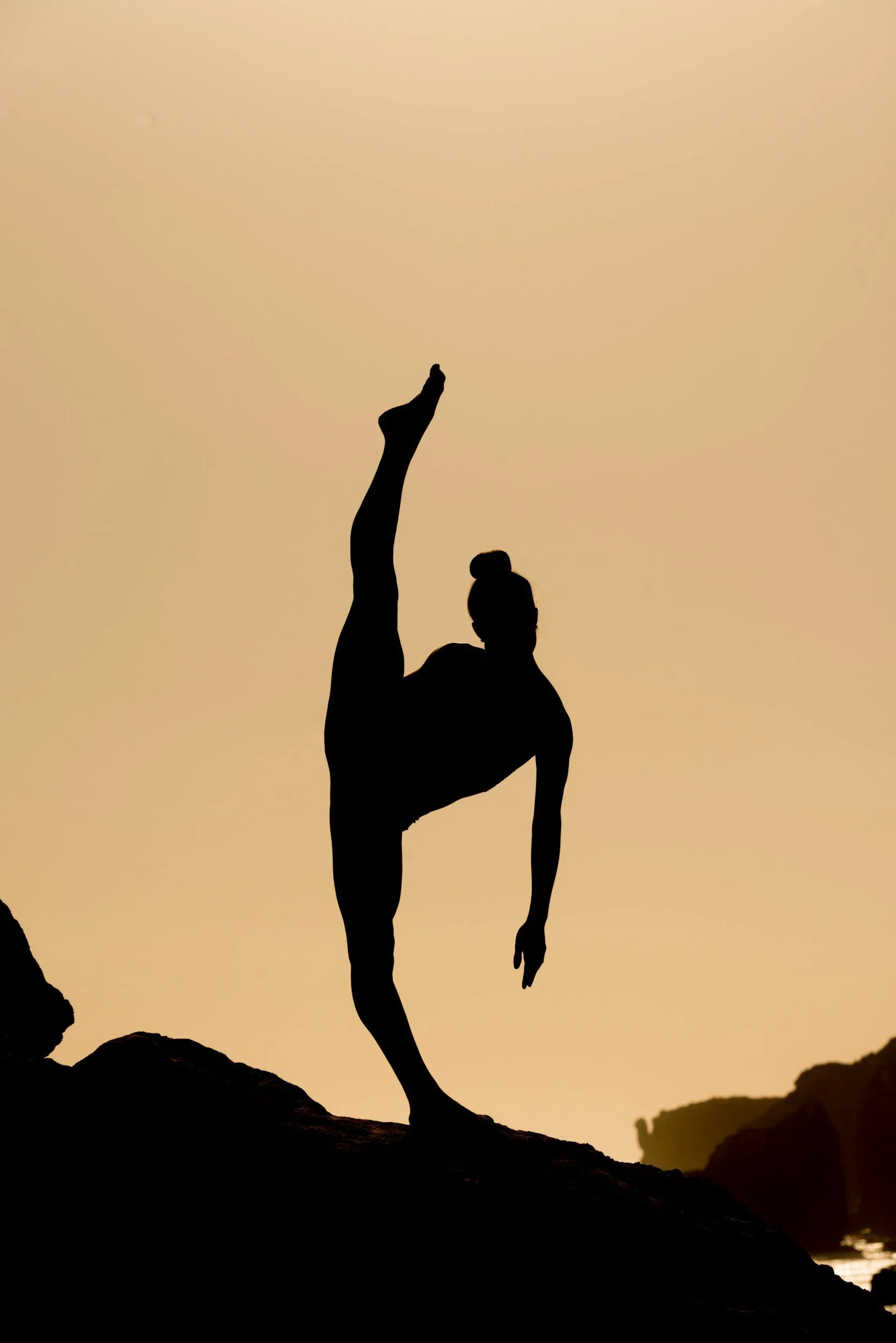
During the Tokyo Olympics, Simone Biles stood in the center of global attention. The arena was loud, the stakes were enormous and every expectation pushed her toward performance. In the middle of it all, something felt off. Her mind and body were no longer aligned. So she did what very few athletes have ever done at that level: she stopped.
She paused, listened inward, and protected her safety rather than forcing her way through. That moment didn’t weaken her strength. It revealed it.
Years earlier, Brian Chesky was facing a different kind of pressure. Airbnb was celebrated as a model of innovation, yet beneath the surface he sensed drift. Hosts were frustrated. Communities felt unheard. Instead of accelerating, he cleared his calendar and traveled from city to city meeting people face to face. No entourage. No slides. Just conversations at kitchen tables and in living rooms. That quiet reset reconnected the company to its purpose.
Two leaders in two very different arenas choosing stillness over speed. Their pause wasn’t a retreat. It was the doorway back to clarity.
Implement
A meaningful pause is a shift from doing to noticing. Ten minutes can give you more direction than ten hours of grinding.
Set aside a short window this week and ask yourself:
• What has been pulling at me
• What have I been moving too fast to acknowledge
• What would feel grounding right now
Write without filtering. You are not solving anything. You are listening.
Then choose one small action that honors what you uncover. It might be protecting part of your morning, declining something that no longer fits, taking a quiet walk, or creating space where you usually push through.
Clarity grows when you stop long enough to hear yourself again.
A pause is most powerful when it’s intentional.
Let this week be a chance to practice that.
Strengthen
Here are a few tools to help you put this week’s pause into practice.
🎥 Watch: “You Need to Be Bored” – Harvard Business Review (6 min)
This short, witty HBR video explains why boredom isn’t a weakness — it’s a reset. When your brain stops focusing, it shifts into a state that sparks new ideas, fresh perspective, and problem-solving. Insight often arrives not when you push harder, but when your mind has room to wander.
A reminder that the pause is not empty time. It’s creative fuel.
📄 Try: “Best Possible Self” – UC Berkeley Greater Good Science Center (PDF)
This quick evidence-based exercise helps you use that refreshed mental space to look ahead with intention. It guides you through writing a short, forward-looking snapshot of the life you want to build next. It’s simple, grounding, and a powerful way to capture what rises when you pause long enough to hear it.
If you want something you can do with a notebook, try a short Clarity Break. Set a timer for three minutes and respond to a few grounding questions:
• What feels urgent
• What actually matters
• What am I avoiding
• What do I need more of
• What can wait
You do not need long stretches of free time to strengthen this skill. You only need a few intentional minutes where the noise drops and your attention returns to what is true.
This is where steadiness begins.
Elevate
The pause is not the break in your momentum. It is the place where you return to yourself.
It’s where clarity sharpens, purpose steadies, and the next stretch of your path begins to take shape.
Use the pause. It clears the way for what comes next.
Momentum Insight
Consider using AI as a thought partner to help turn your pause into clarity. Try asking:
“Help me identify one area of my life or work where slowing down would bring more clarity. Show me one small action I can take this week to create that space.”
This prompt acts as a gentle check-in. It helps you notice where your pace has drifted, where your attention has fractured, and where a short pause could help you see with more intention.
Clarity often waits in the quiet and sometimes all it needs is an invitation.
Next week: Lead the Way You Want to Be Led. How the leaders we become often starts with the examples we once needed.
Subscribe to The Weekly Momentum.
